Key Takeaways
- Kratom extracts are concentrated powders that have different alkaloid dosages than raw kratom powder.
- Common types of products sold in Canada are capsules, powder concoctions, and tincture-style liquids.
- Full-spectrum extracts contain several alkaloids, and isolates are compounds that have increased levels of one alkaloid.
- 7-hydroxymitragynine (7-OH) is not listed as a controlled substance under Canada’s CDSA.
- Reliable extract COAs should include alkaloid panels, concentration ratios, heavy metals, and microbiological testing.
- Extract comparisons are better evaluated through alkaloid documentation and batch transparency than price-per-gram alone.
Kratom extract Canada searches are increasing in 2026. However, the category is not clearly defined on most kratom product pages, which makes it hard to compare to regular kratom powder.
Consequently, many buyers are exposed to a variety of concentrations, different alkaloid profiles, and various extract formats. But they do not have a clear reference as to what these differences are actually about.
Therefore, a reliable way to evaluate this category is to focus on structural characteristics rather than marketing language.
When extracts are categorized by extraction methods, alkaloid composition, and COAs, the differences become measurable and are more easily compared among various vendors and product types.
Thus, this blog covers everything you need to know about kratom extracts, their differences from powder, and the information Canadians look at when choosing extract plants in 2026.
What are Kratom Extracts?
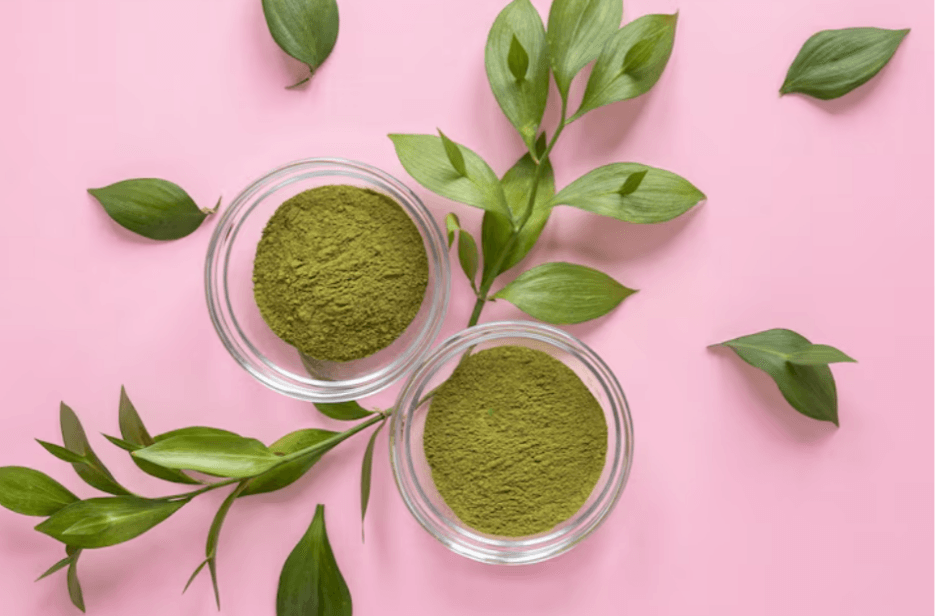
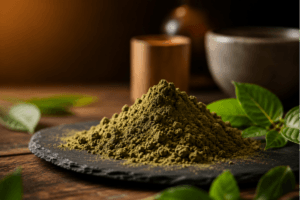
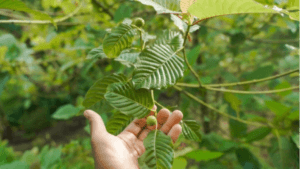
Kratom extracts are more highly concentrated versions of Mitragyna speciosa obtained from the processed leaves. They do not represent a cultivar or genetic variant of the plant, but rather an altered version of the plant used for traditional kratom powder. The distinction lies in the fact that extracts are subjected to further processing, which is used to separate different fractions of alkaloids.
Usually, extraction is performed in a controlled manner by using ethanol extraction methods, water extraction methods, or CO₂ extraction from the leaf fiber matrix. While each method utilizes a different dissolving and purification mechanism, all are based on the same principle of extracting and refining alkaloid content from raw material.
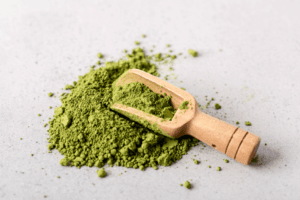
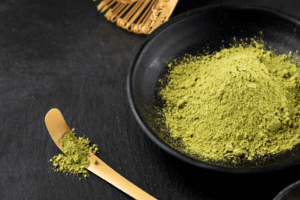
Following extraction, extracts can be found in various commercial forms, such as powdered extracts, liquid tincture extracts, or encapsulated blends, depending on their post-processing. All these forms are based on the same plant base, but they show various techniques for concentration and standardization of the end extract profile.
Kratom Extract vs Powder: The Key Differences
Impressions of product listing and lab documentation in Canada are enhanced by understanding how these write-ups are organized.
- Kratom Powder: Kratom powder is the least processed commercial variety of Mitragyna speciosa, where the leaves are dried and finely ground into a single botanical form. It maintains the entire plant matrix, including the natural distribution of alkaloids. Furthermore, the COAs in Canada often include the presence of standard alkaloids, plus any heavy metals and microbiological testing to provide baseline comparison.
- Kratom Extract: Kratom extracts are concentrated derivatives of Mitragyna speciosa produced through controlled ethanol, water, or CO₂-based extraction methods. These are then isolated from specific alkaloid fractions, resulting in a modified alkaloid profile and formats such as concentrates, tincture-style liquids, or encapsulated blends. Because of this processing, documentation typically includes expanded COA detail such as concentration ratios and broader alkaloid panels.
Full-Spectrum vs Isolate Extracts
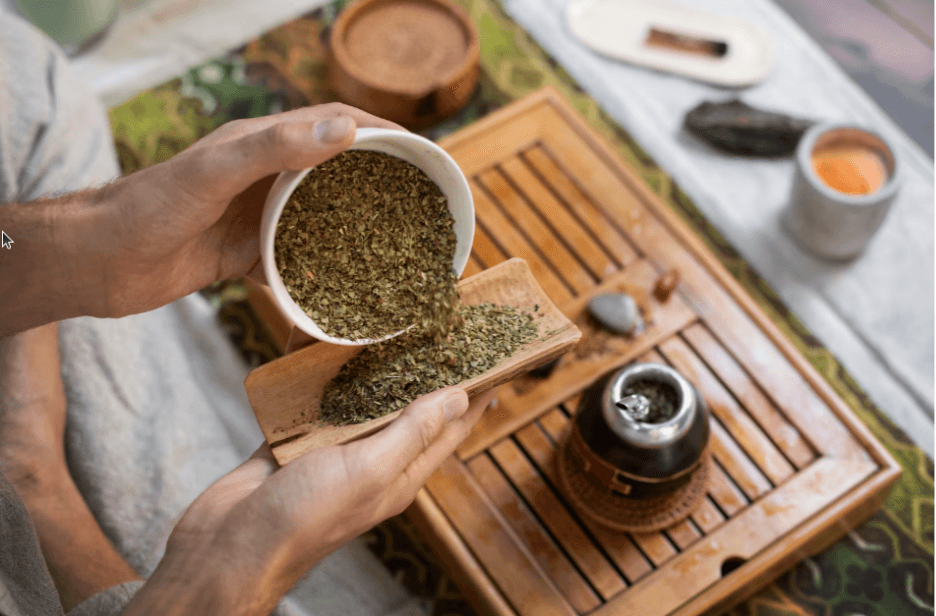
Full versus isolated extracts imply whether the extract contains all the alkaloid profile or if the alkaloids are selectively removed from the extract during extraction and concentrated into compounds.
- Full-Spectrum Extracts: Full-spectrum extracts preserve multiple compounds within one botanical matrix in the form of a pure extract, rather than isolating a single compound. This results in an extract profile similar in chemical makeup to the whole plant. In documentation, they will often be used with a broader COA alkaloid profile that includes several alkaloids, to give a better profile of the distribution of alkaloids in an extract. This is one reason why the term full-spectrum extracts is usually used when discussing the plant’s full spectrum of alkaloids instead of only individual alkaloids.
- Isolate Extracts: Selective separation methods are a process of extracting isolates from Mitragyna speciosa. These methods aim to extract just one alkaloid from a plant or a narrowly targeted group of compounds, typically mitragynine or 7-hydroxymitragynine (7-OH). Thus, there is little documentation of a broad spectrum of alkaloids in laboratories, but rather highly specific COA reporting with respect to individual alkaloid percentages and concentration accuracy.
7-OH Kratom Canada: What the Research Community Needs to Know

7-hydroxymitragynine (7-OH) is a naturally occurring alkaloid found in trace amounts within Mitragyna speciosa. It can be found in different forms in extract products, such as part of a full-spectrum extract or as a selectively concentrated extract.
In Canada, 7-OH is not specifically listed under the Controlled Drugs and Substances Act (CDSA) and is also not classified as an approved natural health product by Health Canada. Consequently, there are fewer and less specific regulatory categories where it would be referred to, and mainly in terms of botanical research or analytical reference framework.
This implies a lot of evaluation based on batch-level COAs, which include descriptions of alkaloid content and ratios, screening for heavy metals, microbiological analysis, and transparency regarding the sources. The focus is on standardized reporting in labs and verifiable documentation, and not “product positioning language”.
What to Check Before Buying Kratom Extracts in Canada
Due to the more processed nature of the extracts, documentation and batch transparency have a greater impact and importance on product evaluation.
1. Certificate of Analysis (COA)
Buyers unfamiliar with lab reports might find a guide on how to read a lab report helpful before comparing different kinds of extract products.
2. Alkaloid Composition Transparency
The extract should be clearly listed as full-spectrum or isolate-based and have in-depth information about each alkaloid profile.
3. Concentration Ratios
Ratios such as 10:1 or 20:1 should be supported by laboratory documentation that explains how the extract concentration was standardized.
4. Vendor Documentation Standards
Many researchers also prioritize vendors that provide lab-tested kratom documentation with accessible third-party testing records.
5. Red Flags in Extract Listings
Missing COAs, outdated lab reports, undefined alkaloid percentages, and generic product descriptions are common indicators of low-transparency extract listings.
6. Price Evaluation Logic
Simple price-per-gram comparisons are often less valuable than analyzing the extracts by alkaloid concentration, as the extracts are not all in the same format.
Final Considerations on Kratom Extracts in Canada
As kratom extracts continue to emerge as a category in Canada, it is crucial to understand how they differ from traditional kratom powder. Whether full-spectrum, isolate-based, or 7-OH-containing, each extract category differs in its alkaloid composition, extraction process, and the way it is represented in laboratory documentation. Therefore, product evaluation is typically based on COAs, concentration ratios, and alkaloid profiling rather than product descriptions alone.
For researchers and botanical collectors, BC Kratom offers a variety of lab-tested Mitragyna speciosa extracts supported by third-party COAs, detailed alkaloid breakdowns, and transparent sourcing documentation. All products are intended for botanical research and ethnobotanical reference purposes only.
Explore our collection to review standardized extract formats, third-party laboratory documentation, and batch-specific reporting available in Canada.