Key Takeaways
- Third-party lab testing is essential to verify kratom purity, safety, and potency before purchase.
- A Certificate of Analysis (COA) provides proof of alkaloid levels, contaminants, and product authenticity.
- Lab-tested kratom protects you from hidden risks like bacteria, heavy metals, and harmful contaminants.
- Transparent vendors who share lab reports openly are more trustworthy and reliable.
- Traceability and proper testing standards ensure consistent quality from source to shelf.
Kratom is everywhere now.
You may have seen it in local stores or heard it mentioned in wellness conversations online. Kratom’s popularity has grown in recent years. Potent strains like Maeng Da attract many people for their consistent effects.
But here’s the problem—quality is not always guaranteed.
Even though kratom products may look the same, their effects can vary significantly. This often comes down to differences in cultivation and handling during processing. Because of this inconsistency, you can’t rely on appearance or claims alone.
That’s where third-party lab testing comes in. It helps you confirm whether a product truly delivers on its promises.
Without proper lab checks, there’s no way to verify quality. You are left exposed to products wth contaminants, incorrect potency, or misleading labels. And since quality control in the kratom industry is still lacking, choosing a third-party lab-tested kratom product means putting your health first.
Here’s what third-party lab testing really means, and 5 key reasons why third-party testing matters when buying Maeng Da.
What Is Third-Party Kratom Testing?
Third-party kratom testing is the process of sending kratom samples to independent labs to verify quality and purity.
Sellers do this so buyers can trust the product’s safety and quality. Since these labs are not connected to the seller, this removes bias and ensures results are credible.
After testing, the lab produces a kratom certificate of analysis (COA) that shows alkaloid levels and overall purity.
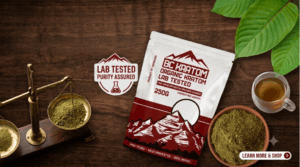
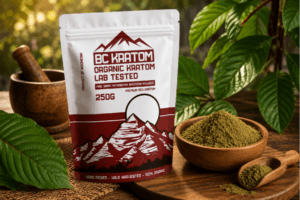
This is a step that matters when it comes to kratom transparency. Reputable brands like BC Kratom always openly share COAs so buyers can know exactly what they’re getting.
It’s not just about making claims — it’s about real proof.
Such testing helps detect harmful substances, such as heavy metals and bacteria. When combined with good kratom safety standards like safe kratom sourcing, handling, and storage, followed by GMP kratom vendors, it leads to premium lab-tested Maeng Da kratom with a more consistent quality.
What a Kratom Lab Report (COA) Should Include
| Test Component | What It Checks | Why It Matters |
| Alkaloid Profile | Mitragynine & 7-hydroxymitragynine levels | Confirms potency and expected effects |
| Microbial Testing | Salmonella, E. coli, other bacteria | Prevents diseases |
| Heavy Metal Screening | Lead, mercury, cadmium | Prevents long-term health risks |
| Batch Number Verification | Matches product to lab report | Confirms authenticity and traceability |
| Lab Accreditation | Certified, independent lab status | Ensures results are credible and unbiased |
5 Benefits of Third-Party Testing Maeng Da Kratom
Some of the benefits of third party testing are;
1. Protects YouFromHidden Contaminants
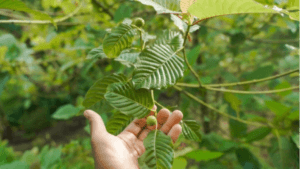
Most of the Maeng Da kratom on the market comes from leaves grown in tropical environments in Southeast Asia. But not all kratoms are grown the same, and how the plant is cultivated and handled after harvesting directly affects its quality.
Poor cultivation practices can result in products that are exposed to bacteria, mold, or environmental pollutants. This is why reputable sellers only source from trustworthy suppliers.
Without proper testing, it’s hard to know a product’s purity or safety when buying. Lab testing checks for pathogenic bacteria such as Salmonella and E. coli, as well as chemicals and heavy metals. These are things you can’t see or smell.
 2. You Get Accurate Potency and Consistency
Not all Maeng Da kratom has the same potency. Some vendors claim high potency, but the products feel flat when you try. If there’s no proof, you can’t be sure the products live up to the expectation.
Lab testing measures the amounts of alkaloids like Mitragynine and 7-Hydroxymitragynine. The alkaloid concentration in dried leaves of most genuine products falls within a 0.5% to 1.5% range.
So, if the claims are far above this range, that should raise red flags.
With a kratom certificate of analysis, you eliminate the guesswork. It shows exactly what’s inside a specific batch. That allows you to know if the product meets your needs — no unpleasant surprises.
3. Promotes Kratom Transparency
The kratom market is still evolving, and regulation hasn’t fully caught up. Because of that, it’s easy to find vendors who make bold claims, but their products don’t always deliver.
Third-party lab-testing encourages transparency. By providing proof, sellers can no longer hide behind marketing. They must back their claims with clear, verifiable lab reports that are usually available on their websites. Some allow you to scan the QR code to check results instantly.
And here’s the thing. Professional vendors care about their reputation.
They always provide the lab reports, support is responsive, and they are willing to back up what they sell. If a seller avoids sharing proof or gives vague answers, that’s a red flag.
4. Supports Safer Industry Standards
Testing doesn’t just protect you as a buyer — it helps clean up the entire kratom industry. When growers and manufacturers know their products will be independently tested, they’re more likely to follow proper quality standards.
This aligns with the GMP program to ensure sellers are accountable. It requires them to comply with higher manufacturing and processing standards and to undergo an annual independent 3rd-party audit to remain compliant.
Without such accrediting bodies that encourage third-party checks, producers can loosen their standards. That allows unsafe products to easily slip into the market.
5. Ensures TraceabilityFromSource to Shelf
One often overlooked factor is traceability.
Can you track where your kratom came from?
Reliable kratom producers assign batch numbers to every product. Since these numbers connect directly to the kratom certificate of analysis, it’s easy to trace back quickly whenever quality issues arise.
Without traceability, it’s tough to maintain consistent quality. Just because one batch passes a test doesn’t mean future batches will be safe too.
That’s why good kratom sellers use proper tracking systems. This keeps everyone accountable at every step, from harvest to packaging. Traceability gives you extra protection you shouldn’t overlook.
Conclusion
Maeng Da is a popular kratom strain, and its high demand has brought many sellers into the market. Sadly, not every Maeng Da kratom seller is genuine. And with so many options and insufficient kratom safety standards, quality is one big challenge.
The best way to make sure your kratom is safe is to choose products tested by an independent lab. Without this, you cannot be sure about the quality. Poor-quality products may not only be ineffective but also unsafe. To avoid putting your health at risk, always make sure Maeng Da is third-party tested before you buy.
You can save yourself the stress by buying from reliable vendors. Most reputable sellers offer lab-tested products. You know the product is clean, matches its strength claims, and delivers what it promises. This leads to a better experience.
Choose lab-tested kratom from trusted vendors like BC Kratom and shop with confidence knowing exactly what you’re getting.