One of the most common misconceptions about kratom (Mitragyna speciosa) strains is that they reflect separate tree varieties.
In reality, kratom exists as a single plant rather than different species or cultivars. Understanding that distinction is important before shopping for kratom products.
As you shall find, each kratom strain contains a unique botanical profile defined primarily by its alkaloid development. Here are kratom strain names explained and why it’s essential to familiarize yourself with each variety before ordering Mitragyna speciosa extracts.
Kratom Is One Plant
There are dozens of kratom strains. Some are identifiable by color references, while others denote specific regions in the plant’s native range of Southeast Asia.
Kratom strains by pigmentation include;
- White Vein
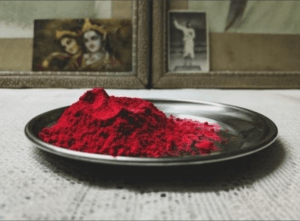
- Red Vein
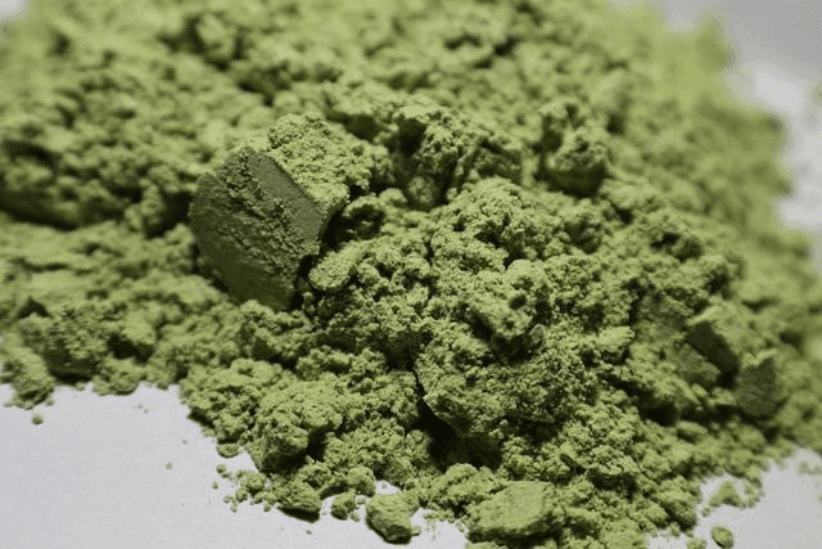
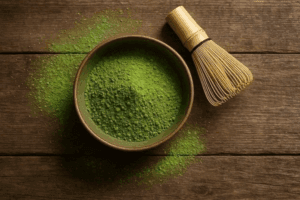
- Green Vein
Most regional kratom strains include both color and location references in their names. Some, such as Bali and Jongkong, are based on exact geographical places while others – such as Maeng Da – borrow from specific local dialects.
Now, it’s not unusual to find botanical researchers wondering – are kratom strains real? Well, kratom strains are real, just not as many scientists perceive.
All kratom strains are based on a single plant species – Mitragyna speciosa. The tree doesn’t occur in separate species, subspecies, or variants.
To debunk the kratom strain names myth, we must reiterate that strains are not biological classifications but commercial labels used almost exclusively for marketing purposes. All three color-based strains exist on the same tree but represent different maturation periods.
Still, it’s worth noting that each variant contains unique botanical profiles.
What Regional Names Actually Tell You
While navigating kratom strain differences, you’ll stumble into products bearing different regional names. Examples include Malay, Indo, Borneo, Bali, Sumatra, and Jongkong.
Although it would seem like these regional strains are separate Mitragyna speciosa trees thriving in each location, they represent the growing conditions rather than distinct plant species.
So, to better understand how kratom strains are named, it’s prudent to uncover the local climates in these regions.
Bali Kratom Meaning
Bali is a high-altitude island noted for its picturesque landscape. The region boasts rich volcanic soils and a unique microclimate, which produces a more balanced alkaloid profile.
Borneo Kratom Meaning
Borneo features a high-humid, tropical rainforest climate nourished with an elaborate river system. Calcium and magnesium-rich soils accelerate the production of secondary metabolites in kratom, yielding leaves with diverse alkaloid composition.
Sumatra Kratom Meaning
Sumatra strains thrive in volcanic soils in higher altitudes, with unhindered sunshine exposure. This microclimate usually leads to higher 7-hydroxymitragynine/mitragynine ratios.
What Does Maeng Da Actually Mean?
Maeng Da is quite different from regional kratom strains in that it doesn’t directly represent a specific location in Southeast Asia. Rather, the term loosely translates to “pimp grade” in Thai.
The word “Maeng Da” represents a quality designation rather than a specific regional origin. Many kratom vendors utilize the term as a commercial label, denoting premium-quality and pure kratom products.
So, while “Maeng Da” has Thai origins, not all products with this quality designation originate from Thailand.
What ‘Super’ Means
The word ‘Super’ often accompanies many kratom products, leaving researchers wondering what it means. Super isn’t a distinct kratom species but denotes ingenious harvesting techniques.
To obtain Super Green Kratom, growers target larger and more mature leaves. The same applies to Super Red and Super White kratom.
Because the harvested leaves have a larger surface area and are more mature, they generally boast richer alkaloid profiles.
Why Batch Quality Matters More Than the Name
When it comes to kratom strains, batch quality matters more than mere names. Note that all three kratom variants occur on the same base plant but are harvested at different periods.
- White Vein Kratom – Represent younger leaves
- Green Vein Kratom – Mid-matured leaves
- Red Vein Kratom – Fully matured leaves
Perhaps a better way to decode kratom strain differences is to establish whether each batch underwent post-harvest curing and testing procedures. To safeguard kratom’s quality for research purposes, BC Kratom insists on laboratory tested products.
Lab testing is a good manufacturing practice (GMP) designed to profile the bioactive compounds and identify potential contaminants in botanical extracts. By buying duly tested kratom, researchers are able to account for the chemical effects of distinct compounds in each product more accurately.
What Jongkong Means
To understand Jongkong kratom meaning, we should revisit the implication of regional kratom names.
Jongkong is a geographic region in Indonesia’s West Kalimantan near the Kapuas River, boasting nutrient-rich, river-washed soils.
These conditions yield kratom plants of diverse alkaloid profiles, including high-quality White Jongkong and Green Jongkong strains.
FAQs
1. What do kratom strain names actually mean?
2. Is Maeng Da a real kratom strain or just a marketing term?
3. Are Bali, Borneo, and Jongkong different types of kratom plants?
4. What does ‘Super’ kratom mean?
5. Do kratom strain names affect quality or potency?
6. How should I choose the right kratom if strain names are confusing?
Enrich Your Research With Diverse Kratom Products
Understanding kratom strains vs. vein types is critical before choosing the best kratom products.
Feel free to check out our page and explore diverse strain collections. Better yet, kick-start your research by demystifying some common kratom-related questions.