


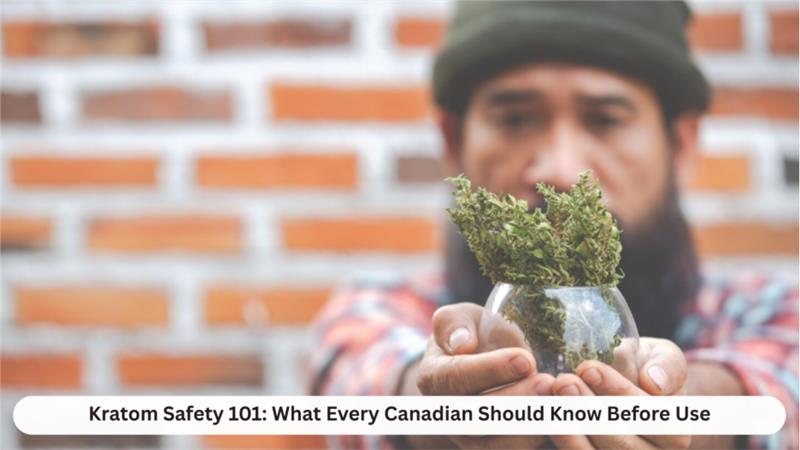
Kratom (Mitragyna speciosa) is one of the most potent medicinal herbs you could add to your lifestyle this year.
Native to Southeast Asia, kratom has demonstrated a remarkable potential for pain management. The plant abounds in alkaloids, including mitragynine and 7-hydroxymitragynine, which alleviate pain by binding to various opioid receptors in the brain.
Kratom combats pain similarly to regular opioids like morphine and codeine. Except, it’s a partial opioid agonist while conventional opioid drugs are full opioid agonists.
That variance explains why kratom extracts can offer immense analgesic benefits without inducing worrying adverse events.
Besides pain, many wellness enthusiasts tout kratom for its efficacy against fatigue, inflammation, stress, and insomnia.
For many Canadians, the biggest challenge is finding safe kratom supplements. The absence of robust kratom regulations only compounds the scenario by providing an enabling environment for unscrupulous traders to thrive.
Exercising proper caution is the surest way to address kratom safety Canada. In this post, we highlight the safety precautions every Canadian wellness enthusiast should know before buying and using kratom extracts.
What Constitutes Safe Kratom?
There are various safety precautions you could implement to access premium-quality kratom supplements in Canada. But before we explore those measures, it’s best to highlight how to quickly determine kratom safety in Canada.
Like most medicinal plants, kratom’s safety depends primarily on its purity. And you can gauge the herb’s purity by examining its chemical composition.
Pure kratom should be higher in plant-based compounds (particularly alkaloids) but lower in contaminants.
Now, kratom contaminants may assume multiple forms. Common ones include;
- Heavy Metals (mercury, lead, nickel, etc.) – Accumulated during the plant’s growth phase
- Pesticide Residues – May be accumulated biologically or occur as deposits in kratom leaves
- Microbial Contamination (Salmonella, yeast, mold, etc.) – Typically transferred to kratom extracts via unhygienic handling or improper storage
If you prefer highly processed kratom formulations like gummies, beware of the additives used as well. Excess fillers and preservatives might prove just as toxic in the long run.

Photo Credit: Freepik.com
How Might Unsafe Kratom Harm You
Consuming kratom supplements laced with contaminants may predispose you to short- and long-term health complications.
While kratom enjoys a higher safety profile than many botanicals, contaminated products can trigger gastrointestinal irritation. Common symptoms include nausea, vomiting, diarrhea, and abdominal discomfort.
But perhaps it’s the long-term adverse effects that are more worrying. Compounds like mercury can lead to massive organ failure over time.
Besides triggering a slew of health concerns, contaminants also reduce kratom’s efficacy. A 20-gram serving of contaminated kratom powder can be half as potent as a 10-gram dose of pure powder, while the converse should ideally be true.
Despite the absence of official kratom legislation, regulators have played an instrumental role in regulating safe kratom use Canada. Health Canada previously recalled unauthorized kratom supplements as part of its commitment to safeguarding Canadians’ health and safety.
How to Access Safe Kratom Products
- Choose Vendors Wisely
Not every retailer sells responsible kratom Canada. Therefore, research a kratom store extensively before ordering their products.
First, head to the vendor’s “About Us” page to uncover their industry duration. Prioritize companies with at least 5+ years of active presence.
Be sure to also read client testimonials on third-party websites like Reddit or TrustPilot. If a vendor supplies quality kratom supplements, customer reviews will readily mirror that.
Affiliation with reputable organizations, such as the American Kratom Association (AKA), is a bonus.
Seek out vendors listed on the AKA website, as this validates their compliance with the organization’s Good Manufacturing Practices (GMP).
Photo Credit: Freepik.com
- Look Out for Lab Test Reports
Kratom should undergo industry-mandated, third-party laboratory testing before it’s available for sale.
Head to a product’s description page and check for a Certificate of Analysis (CoA). Then, read the report for insights into the product’s core ingredients.
Remember, the supplement should be higher in alkaloids but lower in contaminants and additives.
The absence of third-party lab test reports is your cue to go shopping elsewhere.
If you’re buying kratom locally, look out for the CoA on a product’s packaging.
- Perform a Physical Inspection
One notable benefit of buying kratom locally is the convenience of performing a physical examination.
Start with a visual inspection.
High-quality kratom should appear in intense shades of green. Whitish and reddish hues are acceptable, depending on the strain. Shun leaves or powders with visible brownish tints. This indicates low quality, staleness, or contamination.
Next, perform a texture test.
Premium-quality kratom powder must be finely-ground, not gritty or clumpy. Inconsistent powder signifies poor processing or moisture ingress.
A smell and taste test may also help assess kratom’s safety.
If you’re new to kratom, order small amounts and administer lower doses. The herb should deliver a slightly bitter or earthy aroma reminiscent of green tea. A musty smell or taste is sure proof of stale products.
Photo Credit: Freepik.com
The Significance of Mindful Dosing
Kratom has no ideal dosage. Serving portions vary, depending on the reasons for taking the herb.
Previous studies have shown that various ailments require different kratom dosages. While a 3-gram serving may address mild fatigue, you may require up to 10 grams to soothe severe osteoarthritis pain.
That said, we must emphasize the significance of mindful dosage in minimizing side effects kratom.
Stick to 1 – 5 grams per serving if you’re new to kratom. Over time, you can safely administer up to 15 grams after building a considerable tolerance for the plant.
As with most herbs, there are kratom risk factors to be aware of too. Consult your doctor if you’re pregnant, lactating, or chronically ill.
Word About Legality
One of the most nagging questions regarding kratom use in Canada pertains to its legal status.
Now, kratom is legal in Canada to the extent that there’s no express regulation prohibiting or controlling it. However, note that Health Canada and the Canadian Food Inspection Agency (CFIA) haven’t approved kratom for human consumption.
Vendors must desist from portraying their products as officially authorized. Besides, kratom sellers cannot ascribe definitive medicinal claims to their products.
Kratom Safety and the Significance of Due Diligence
Canada was among the first countries to open its borders to kratom. However, the lack of elaborate regulation remains a primary impediment to accessing premium-quality products.
The onus is on consumers to exercise due diligence while buying kratom.
To ensure kratom safety Canada, insist on sourcing the herb from credible vendors with a trail of positive reviews.
Prioritize organically-grown kratom. Besides, seek out stores that source their kratom from Southeast Asia, the herb’s native range.
Remember to also peruse lab test reports for unsafe ingredients before buying a kratom supplement. And if you’re shopping locally, conduct a visual and tactile test before completing your purchase.